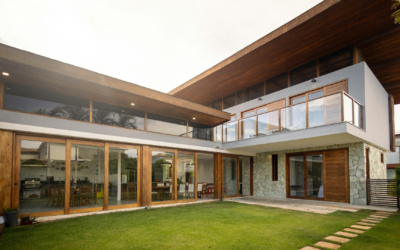
This response isn’t imagined. A home carries emotional density shaped by light, flow, history, and how the space has been lived in. These subtle cues quietly guide how a buyer feels, how long they stay, and how confidently they move forward.
The Hidden Weight of a Home
Every home holds more than walls and square footage. It holds presence. Some spaces feel calm and open, while others feel dense or resistant. This doesn’t mean something is wrong, it simply means the home carries weight that hasn’t been cleared or softened.
History Leaves an Atmosphere
Homes absorb the rhythms of daily life. Over time, patterns, routines, and emotional moments leave an imprint. Buyers don’t consciously analyze this history, but they feel it, especially in homes that feel overly personal or heavy with memory.
Energy Shifts Room to Room
Flow matters more than most people realize. Some layouts invite movement and ease, while others interrupt it. Long hallways, sharp turns, or closed-off rooms can subtly create resistance.
Light vs. Shadow
Light changes how a home is experienced. Natural light lifts a space, softens edges, and creates clarity. Shadow-heavy rooms can feel heavier even when beautifully designed.
A Thoughtful Close
A home communicates long before words are exchanged. Buyers respond to what they feel, not just what they see, and those feelings quietly shape decisions.
When a home feels lighter, clearer, and more balanced, buyers trust their intuition more easily.
Preparation isn’t about changing a home’s character, it’s about allowing its best energy to come forward.
Selling well begins by understanding how a space is experienced, not just how it’s measured.